
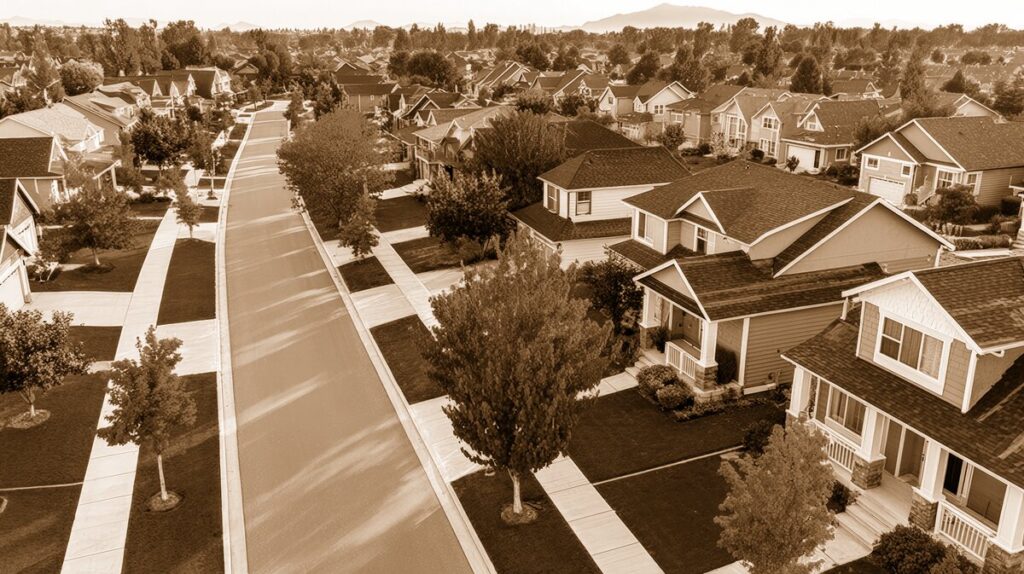
Wilton Woods sits quietly between bustling Franconia Road and Telegraph Road in Rose Hill, Virginia, its leafy streets and warm spirit hiding a fascinating tapestry of local history. As any longtime resident will tell you, Wilton Woods is more than just a collection of charming homes—it’s a neighborhood with roots stretching deep into Fairfax County’s colonial past, shaped by decades of change, growth, and community pride.
The Origins of Wilton Woods
The land that is now Wilton Woods began its story centuries ago—long before the winding roads and tidy yards. In the 18th and early 19th centuries, much of this land was part of sprawling plantations and farmland just outside the thriving port city of Alexandria. Some of the earliest maps show the area as a patchwork of fields, hardwood forests, and creeks feeding into nearby Cameron Run.
The Wilton Woods neighborhood itself owes its name to its proximity to the grand “Wilton House,” an 18th-century estate once located north of the present neighborhood’s border. While the original Wilton House was demolished decades ago, its legacy remains in the name of both the Wilton Woods neighborhood and Wilton Road, one of its main arteries. Lore passed down among residents suggests that the “woods” in Wilton Woods refers to the dense, old-growth forests that covered this area before suburban development swept through in the mid-1900s.
Suburban Growth in the Postwar Era
The most transformative era for Wilton Woods arrived after World War II, as Northern Virginia experienced explosive suburban growth. Returning veterans and new families were drawn to Rose Hill’s proximity to Washington, D.C.—just a 20-minute drive north. Developers eyed the rolling hills between Franconia and Telegraph Roads, seeing potential for quiet, residential enclaves.
In the late 1950s and early 1960s, Wilton Woods took shape as a planned neighborhood. Classic brick ramblers and split-level homes began to dot streets like Wilton Road, Crooked Creek Drive, and Ludgate Drive. These homes—many still standing today—were emblematic of their era: solidly built, with broad lawns and mature trees. Unlike some neighboring subdivisions, Wilton Woods was designed with winding roads and gentle hills, retaining much of the area’s natural beauty and old timber stands.
Historical Milestones and Moments
- Wilton Woods Civic Association – Formed in the 1960s, the Wilton Woods Civic Association quickly became a pillar of the community, organizing block parties and advocating for neighborhood needs. Their newsletters—passed door to door for decades—are a treasure trove of hyper-local history.
- Franconia Elementary School – While not within the neighborhood boundaries, Franconia Elementary (on Beulah Street) has long been the public school serving Wilton Woods children, creating a sturdy strand of connection with the broader Rose Hill community.
- Integration and Growth – Like much of Fairfax County, Wilton Woods participated in the social changes of the 1960s and 1970s, gradually welcoming a more diverse mosaic of residents and housing styles. Today, the streets ring with many languages and multicultural traditions.
Landmarks, Parks, and Notable Institutions
Though Wilton Woods is primarily residential, it is blessed with access to some of Rose Hill’s most cherished parks and landmarks:
- Jefferson Manor Park – Just a stone’s throw northwest, this green space has been a favorite for generations of Wilton Woods families, offering sports courts, picnic spots, and a playground shaded by old oaks.
- Wilton Woods Park – Tucked at the heart of the neighborhood off Wilton Road and Crooked Creek Drive, this neighborhood park is a leafy retreat with walking trails and a small playground. It is the heart of community meetups and summer evening strolls.
- Franconia Governmental Center – Nearby on Franconia Road, this longstanding county facility connects residents to county services and public safety support—a quiet but vital part of neighborhood life.
Architectural buffs will revel in the varied mid-century home styles that still define the neighborhood, some lovingly restored by current owners. The original community entrance markers and lamp posts—still visible at certain corners—speak to the attention to detail that made Wilton Woods distinct amidst the suburban boom.
Community Spirit and Evolution
What makes Wilton Woods truly special isn’t just its history—it’s the sense of belonging that has endured through decades of change. Longtime residents recall Halloween parades on Wilton Road, Fourth of July cookouts in neighbors’ backyards, and impromptu snow-day block parties. Generations have watched as block after block bloomed with flowering dogwoods in spring, and the comforting crunch of autumn leaves returned year after year.
In recent decades, the neighborhood has seen renewed energy as young families and newcomers bring fresh life to the area. Many of the classic homes are being updated, yet care is taken to preserve the mature trees and welcoming feel that give Wilton Woods its character. Today, joggers, cyclists, and dog-walkers are common sights on Cameron Road and Ludgate Drive, their routines weaving into the long narrative of the community.
Why Wilton Woods Endures
Ultimately, Wilton Woods isn’t defined by its old maps or historic houses, but by the spirit of neighborliness and pride that continues to grow. Residents still gather for block picnics and support local initiatives. The nearby Rose Hill Shopping Center, with its family-owned restaurants and shops, is a reminder that local traditions remain strong.
Wilton Woods is a neighborhood where every street—whether winding Wilton Road, shaded Crooked Creek Drive, or tranquil Cameron Road—carries stories of families past and present. It’s where the simple pleasures of parks, porches, and shared memory create something rare in today’s fast-moving world: a true sense of home.
For those lucky enough to call Wilton Woods home, the history isn’t just written in old deeds or faded photographs. It’s found in the laughter that spills from backyards, in the friendly waves between neighbors, and in the enduring beauty of a neighborhood shaped by time—and still shaping the future of Rose Hill.